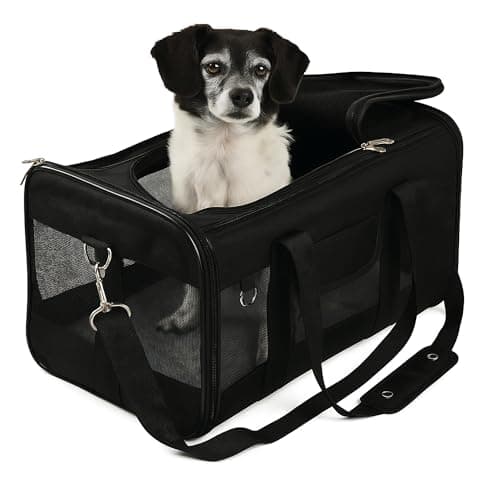
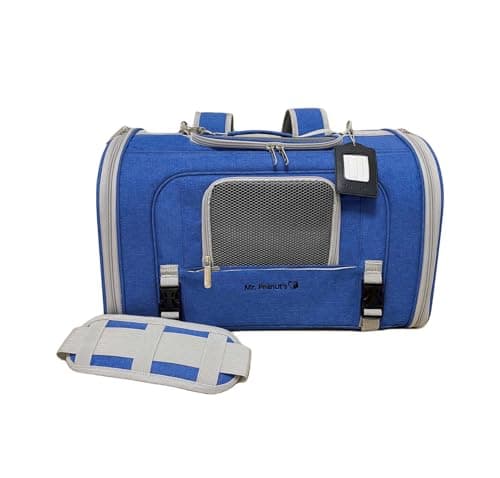
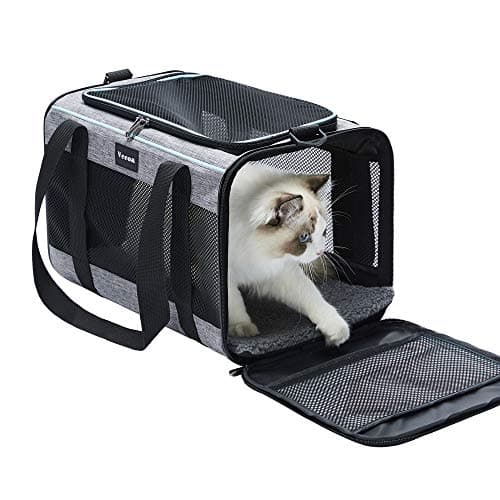
The short answer: for a dachshund, buy the Vceoa carrier. It is the only bag in this group that publishes a length figure - 17.5 x 11 x 11 inches- which means you can measure your dog from collar to tail base, compare the two numbers, and know whether it fits before you spend anything. That is the whole trick with this breed, and it is why "airline approved, up to 16 lb" tells a dachshund owner almost nothing useful. If you want the same length in something you wear rather than carry, the Mr. Peanut's Monterey is listed at 18.9 inches laid on its side.
A dachshund breaks the way carriers are sold. The AKC describes the breed by its "famously long, low silhouette", and it comes in two sizes - standard and miniature - so the same word covers dogs at very different ends of an airline's weight allowance. Weigh your own dog with the bag, because the in-cabin limit on several US carriers is a combined figure, and a standard dachshund can sit the wrong side of it while a miniature has room to spare. We walk through which airline uses which rule on airline under-seat dimensions and on carriers for larger dogs.
The honest problem with this category: almost nobody publishes interior length. Listings advertise a weight ceiling and an exterior footprint, and the exterior footprint is what the airline cares about, not what your dog lies along. We are not going to invent interior measurements to fill a table. What follows is ranked on the figures the makers actually publish, and where a maker publishes nothing we say so instead of guessing.
What decides the fit for a long, low dog
1. Floor length, measured against the dog
A dog has to be able to lie down and turn around - that is the standard every airline states and the one IATA uses for the hold. For a dachshund, "lie down" is the binding condition, because the dog is longer than it is tall by a margin no other small breed matches. Measure from the base of the neck to the base of the tail with the dog standing, then add a couple of inches, and compare that with the listed length. A bag whose floor is shorter than the dog is a bag the dog has to curl into for the whole flight.
2. Whether the floor holds its shape
Soft carriers sag in the middle when they are picked up by the handles, and a sagging floor under a long back is the one structural issue specific to this breed. A rigid or semi-rigid base, or a stiff insert pad, keeps the dog level. The difference is invisible in photographs and obvious the first time you lift the bag.
3. How you pick the dog up
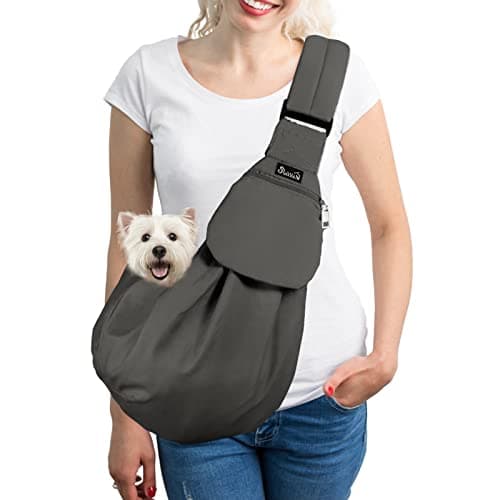
Dachshunds are the breed most associated with back trouble, and we are not going to pretend to give you veterinary guidance about it - if your dog has a diagnosis, or you are worried about one, the handling instructions should come from your vet rather than from a gear site. What we can say is mechanical: a sling or a carrier that takes the dog's whole body at once, rather than a lift under the chest with the back end hanging, is the gentler motion, and it is the reason a sling appears on a flying page at all.
4. Height, if a train is in the plan
Worth knowing before you buy one bag for everything: Amtrak's published carrier ceiling is 10.5 inches high, lower than most airline bags. A long-and-low carrier is actually the ideal shape for rail - see taking a dog on Amtrak.
The listed-length table
Only two carriers in this group publish a length figure. That is not a gap in our research; it is the state of the category, and it is the single most useful thing to know when you shop it.
| Carrier | Published length | Form | Floor support |
|---|
| Vceoa Airline-Approved Carrier (17.5 x 11 x 11) | 17.5 in (17.5 x 11 x 11 listed) | Shoulder soft carrier | Insert pad, soft sides |
| Mr. Peanut's Monterey Series Horizontal Backpack Carrier | 18.9 in (18.9 x 11.4 x 9 laid on its side) | Horizontal backpack | Structured shell, 2.8 lb empty |
| Sherpa Original Deluxe Travel Pet Carrier | Not published per size on the listing - sold S / M / L | Shoulder soft carrier | Spring wire frame |
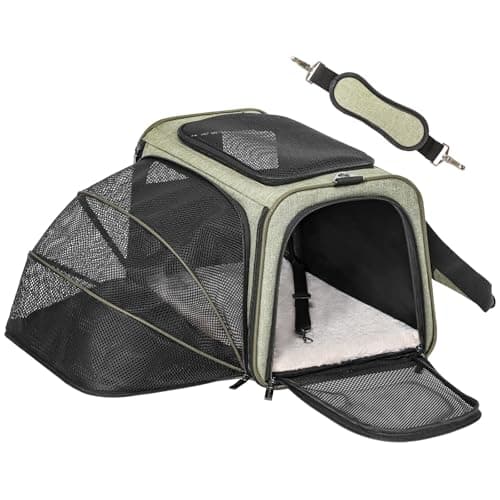
| Petsfit Expandable Airline-Approved Carrier | Not published - expansion is on the sides | Expandable soft carrier | Fleece pad included |
| SlowTon Padded Dog Carrier Sling | Not applicable - the dog lies across you | Shoulder sling | Your body |
Prices for every pick are live from the Amazon Product API with the date stamped under the table below, so the ranking is not quietly telling you to spend money on last quarter's price.
How to buy for a dachshund, in order
- Measure the dog, not the breed. Neck base to tail base, standing. A standard and a miniature are not shopping for the same bag.
- Weigh the dog and the empty bag together. Several airlines state a combined ceiling. Do this before you care about anything else.
- Shortlist on published length first, features second. A ventilation panel on a bag that is too short is a nicer version of the wrong answer.
- Check the airline you are actually flying. The soft-bag allowance differs by aircraft, not just by carrier - our under-seat reference has the dated figures.
- Then practise with it at home. A carrier the dog has never been in is a bad place to spend a first flight - getting a dog used to a carrier is a two-week job, not a day one.
What we left out, and why
Backpack carriers. A long dog in a vertical pack is the wrong shape, and the legs-out hiking packs are worse for this breed than for most. The enclosed, airline-dimensioned ones are ranked on best airline carrier backpacks if you want to compare, but the horizontal Monterey above is the version of that idea that suits a dachshund.
Hard-sided kennels. A dachshund flying in the hold is a different purchase with different rules, and it has its own page - airline cargo crate requirements. Nothing here is cargo-rated.
Carrier "purses" and totes with no published dimensions. The dachshund tote query is real and the product class is mostly listings with a photo, a weight ceiling and no measurements. The site ranks the two totes it can describe honestly on best dog travel bags.
Back braces, ramps as carriers, and anything medical. Out of scope on a gear page. We do rank car ramps, which is the one piece of travel gear that keeps a long-backed dog from jumping down out of a vehicle, and that is as far as we will go without a vet in the room.