Most dog car gear is sold by feature and bought by guesswork, and the result is a lot of small dogs riding in setups built for large ones and vice versa. Size is genuinely the variable that decides this: it determines whether the dog fits on a seat at all, whether a booster is helpful or pointless, and whether the cargo area is the answer or a last resort.
One rule survives every size band, so here it is up front: the restraint is the part that matters, and comfort gear is not restraint. A booster seat, a hammock and a cargo liner all improve the ride and none of them holds a dog in a crash. The thing that does is a crash-tested harness or a properly secured crate. Everything below is built around that.
If the booster bracket is where your dog lands, there is a second question underneath it: what shape is the seat you are installing on. Sculpted buckets and captain's chairs need a different product from a flat bench, which we sort out in dog car seats for bucket seats. The legal backdrop for all of it is dog car safety laws by state.
One step earlier than any of this: how the dog gets in. Vehicle height decides it - above about 25 inches of reach, no step set on the market helps and you are buying a long ramp instead. The measurement, the three cases where steps win and the step sets with published limits are in dog car steps vs a ramp.
Small dogs — roughly under 25 lb
The problem: they are below the window line and they end up on laps
A small dog on a flat back seat cannot see out, so it stands, paces, or tries to get to you. That is the real reason small dogs end up in the front — and the front seat is the one place a dog should never be, because an airbag deploying into a small dog is not survivable.
The setup
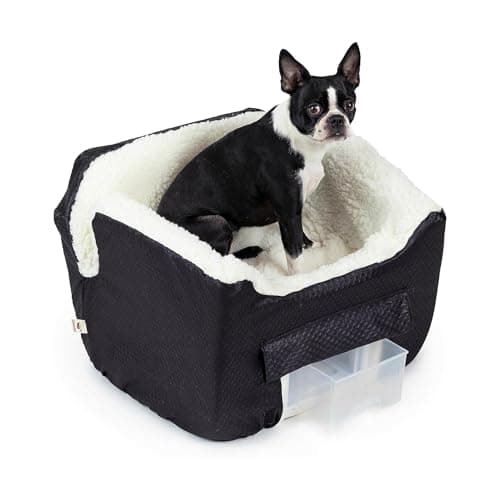
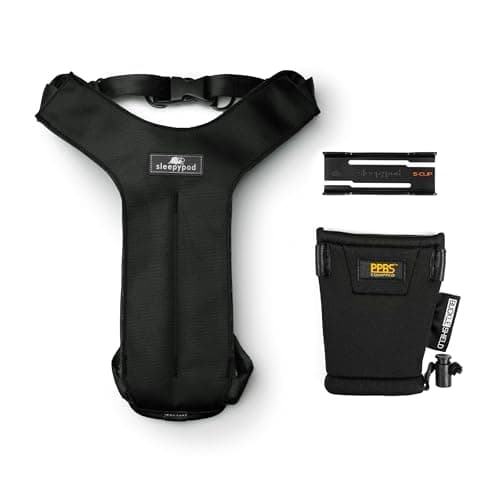
A booster seat on the back bench, with the dog in a crash-tested harnesstethered to the harness's own anchor rather than to a collar. The booster does the seeing-out job; the harness does the safety job. The Snoozer is the booster we rank first, and the full field is on best dog car seats.
Where it goes wrong
Clipping the tether to a collar. On a hard stop that is a neck injury rather than a restraint, and it is the single most common mistake in this whole category. If your booster came with a short tether, use it with a harness or not at all — the reasoning is on seat belt tethers.
Medium dogs — roughly 25 to 55 lb
The problem: they fit on the seat, and they slide off it
A medium dog does not need a booster to see out and is too big for most of them anyway. What it needs is to stay on the seat instead of being thrown into the footwell every time you brake, and for the seat to survive the experience.
The setup
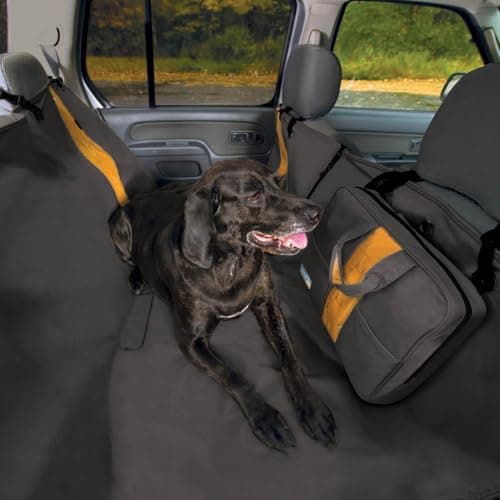
A crash-tested harness on the back seat, plus a hammock-style seat cover if you want the footwell bridged and the upholstery protected. The Kurgo hammock is our first pick there, and the alternatives are on best dog car hammocks. This is the size band where the harness genuinely is the whole safety system, so it is worth buying the certified one — see best crash-tested dog harnesses.
Where it goes wrong
Treating the hammock as the restraint. A hammock stops a dog falling into the footwell at 5 mph and does nothing at 30. It is upholstery protection with a side benefit, and it needs a harness underneath it.
Large dogs — roughly 55 lb and up
The problem: the back seat stops being the obvious answer
A large dog on a bench seat is short of room, and a large dog loose in a wagon or SUV cabin is a serious mass in a crash. This is the size where the cargo area becomes the primary option rather than the overflow one.
The setup — pick one of two
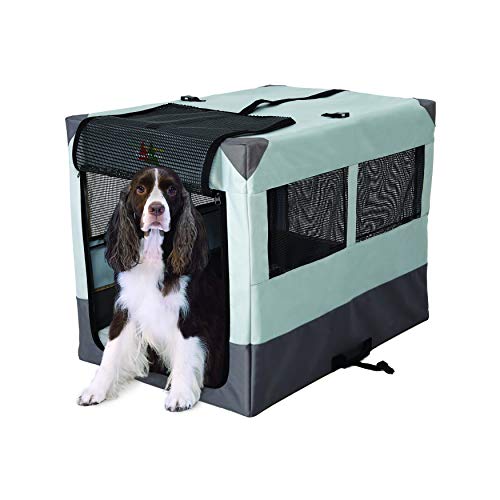
Option A: a secured crate in the cargo area. This is the strongest containment available to a private owner, and the operative word is secured — an unanchored crate is a projectile with a dog inside it. The travel crate roundup covers the models and how to secure a dog crate in a car covers the anchoring, which is the part people skip.
Option B: a crash-tested harness on the back seat, sized up. Certified harnesses have a tested weight window per size — outside that window the certification does not apply to your dog, which is why the size chart matters more here than anywhere else.
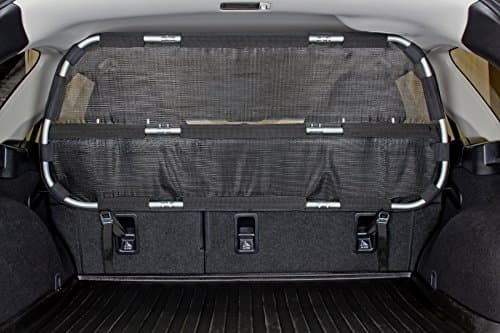
A cargo barrier such as the Bushwhacker is a useful addition to either, because it keeps a large dog out of the cabin and off the driver. It is a containment aid, not a crash restraint, and we would not sell it as one. See best dog car barriers.
Where it goes wrong
Buying a barrier and calling it done. A barrier keeps the dog behind you; in a frontal impact it does not keep the dog still. Pair it with a crate or a harness. The straight comparison of the two credible restraints is on crate vs harness in the car.
The parts that do not change with size
Never the front seat
Airbags deploy with enough force to injure an adult and are calibrated for one. There is no dog size for which the front passenger seat is the right answer, and there is no harness that changes that.
Water in the footwell, not on the seat
Whatever the size, water that rides in the car wants to be in a rigid bowl on the floor rather than a collapsible one on a seat. That is its own small category — no-spill dog water bowls — and it saves a lot of wet upholstery.
Size the harness by measurement, not by the label
"Medium" means a different thing to every brand. Measure the girth behind the front legs, weigh the dog, and match both to the specific chart for the specific harness. A certified harness fitted loose has given up most of what you paid for.
The rest of the driving day
Restraint is the safety half. The other half is stops, heat, car sickness and what you packed — all of which is on the road-trip checklist and in the dog travel kit. If your dog is very young or very old, the size answer above is still right but the routine changes: see traveling with a puppy and traveling with a senior dog.