The verdict, in two halves. A dog skipping a meal on a travel day is ordinary — a lot of dogs will not eat in a moving vehicle, in a strange room, or while they are wound up, and they make it up within a day of arriving. A dog refusing water is a different problem and it gets dealt with on the day, not slept on. The practical fix for the water half is almost always the delivery, not the dog: a bottle with a trough the dog drinks from directly, offered at every stop, outsells any amount of coaxing with a bowl on a hot tarmac.
The second thing worth knowing before anything else: the most common cause of a dog not eating in a car is not anxiety and not fussiness — it is nausea. Drooling, repeated lip-licking, yawning and swallowing are motion-sickness signs, and a nauseous dog will refuse food it would eat happily twenty minutes later in a car park. If that is your dog, the page you want is how to stop dog car sickness, and fixing the nausea fixes the appetite.
Why a travelling dog refuses
Nausea
Covered above, and the first thing to rule out because it is the most common and the most fixable. The tell is that the refusal tracks the vehicle: fine at home, fine at the destination, not fine in motion.
Arousal, which looks like fussiness
A dog in a new place is scanning it. Eating requires a dog to put its head down and stop watching, which is the last thing a wound-up dog wants to do in a hotel corridor or a campsite. This resolves with time and routine rather than with better food, and the strongest tool is feeding in the same bowl, in the same spot relative to the dog's bed, at the same time of day.
The water tastes different
It genuinely does. Municipal water varies in mineral content and chlorination from town to town, and some dogs notice. The fix is cheap: carry water from home for the first day and mix it with local water in decreasing proportions, or carry the water in an insulated bottle so it is at least not warm.
They are being offered water at the wrong moments
Water at a rest stop after twenty minutes of sniffing, on a leash, in a parking area, with traffic going past, is not a drinking situation. Water offered in the shade, before the walk rather than after it, works far better — and in a car, a bottle at the open door works better than any bowl on the ground.
The bowl itself
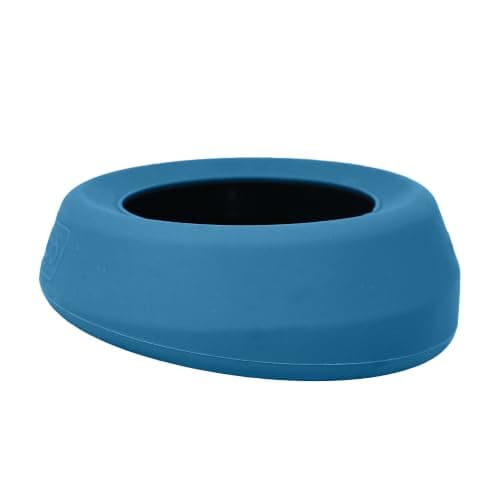
A dog that has drunk from a ceramic bowl in the same corner of a kitchen for five years may genuinely hesitate at a flimsy collapsible silicone one that moves when it touches it. A weighted or wedge-based bowl that stays put solves more refusals than owners expect.
What actually works, in order
- Fix nausea first. Everything else is downstream of it.
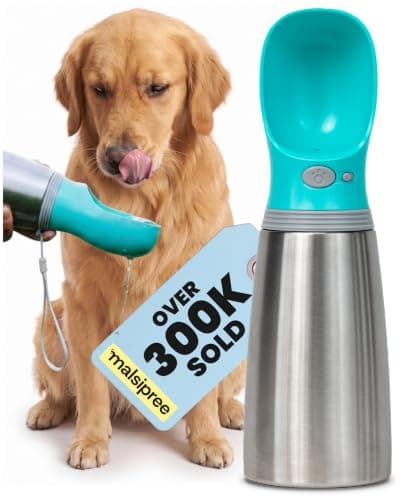
- Offer water from a bottle with a trough, at every stop. The dog does not have to decide to approach a bowl; the water comes to its face. This is the single highest-conversion change and it is why the bottle is the top pick below.
- Add water to the food. Wetting kibble gets water into a dog that will not drink, and it makes the food smell more, which also helps the eating half. A splash of warm water, not a soup.
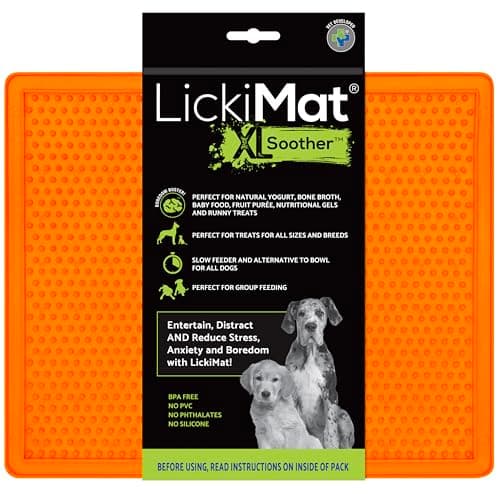
- Use a lick mat. Licking is low-arousal, repetitive and much easier for an unsettled dog than eating a bowl of food. Spread something wet on it and it doubles as hydration. In a hotel room at the end of a driving day this works on a lot of dogs that have ignored a full bowl.
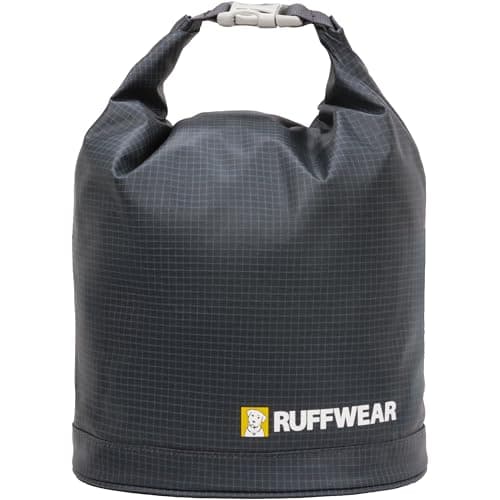
- Keep the food identical to home. A travel day is the worst possible time to introduce a new food, and a sudden change is a far more reliable way to cause diarrhoea than a skipped meal is to cause harm. Carry it in something that keeps it dry and does not take the trunk over — how to feed a dog on the road has the storage detail.
- Feed at the destination, not en route. For most dogs the reliable meal of a travel day is the one after arrival, in a quiet corner, with the rest of the routine already done.
- Hold the line on the schedule. Offer, wait ten minutes, lift the bowl, try again at the next normal mealtime. Leaving food down all day and topping it with chicken teaches a dog to wait for better, which is a problem you then take home.
What to carry
Four things, and three of them are about delivery rather than contents. These are ranked below with live prices.
| Item | What it fixes | Published detail |
|---|
| MalsiPree Insulated Dog Water Bottle (24 oz) | Water offered to the dog's face, at any stop | 24 oz insulated, flip-up trough, water-return button, lock switch |
| Kurgo Splash Free Wander Water Bowl | A bowl that stays still in a footwell | 24 oz listed, food-grade silicone, wedge base, dishwasher safe |
| LickiMat Soother XL | Gets an unsettled dog eating and licking at all | XL 30.5 x 25.5 cm (about 12 x 10 in), food-grade TPR, freezer friendly |
| Ruffwear Kibble Kaddie Dog Food Travel Bag | The dog's own food, dry, for the whole trip | Roll-top closure, pour spout, collapses as it empties |
When this stops being a travel problem
We are not going to print a number of days a dog can safely go without food, because the answer depends on the dog's age, size, weight and health, and getting it wrong is serious. What we can give you is the list that means stop and call a vet rather than keep driving:
- Refusing water, as opposed to refusing food.
- Vomiting repeatedly, or any vomiting with lethargy.
- Diarrhoea that is bloody, black, or continuing past a day.
- A puppy, a senior dog, a very small dog, or a diabetic dog missing meals at all.
- Lethargy, a dog that will not get up, pale or tacky gums, or sunken eyes.
- Trying to eat and stopping, which can mean pain rather than reluctance.
Any of those, find a vet where you are. Have the number for a 24-hour clinic near your destination saved before you leave, the same way you would an address — it belongs in the travel documents folder with everything else.