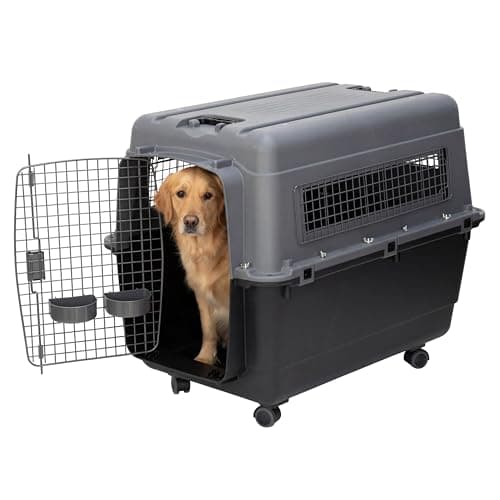
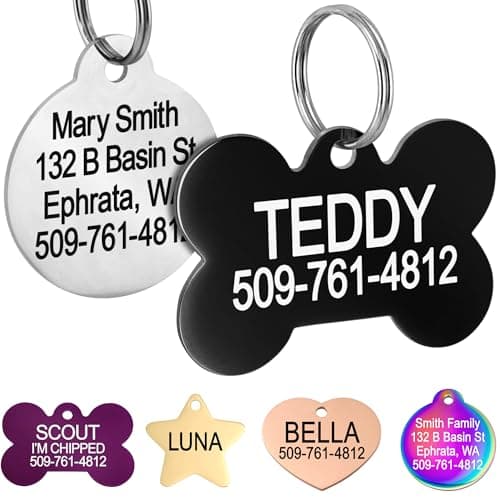
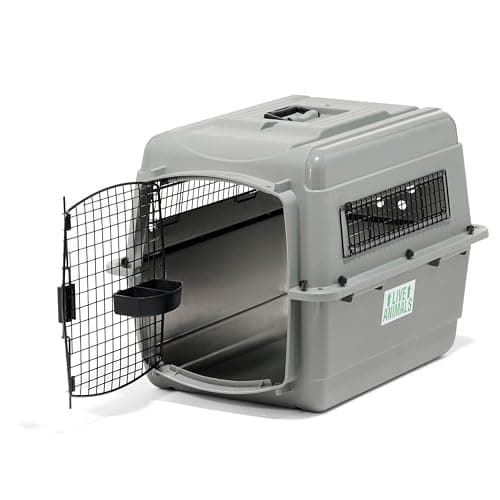
The verdict: start four to five months before you fly. Hawaii is the only rabies-free state in the US and it protects that with a quarantine law, not a form. A dog that completes the published sequence correctly qualifies for Direct Airport Release at Daniel K. Inouye International Airport in Honolulu and walks out the same day; a dog that misses any single step can be held in quarantine for up to 120 days. The two deadlines that trip people are a 30-day wait after the rabies blood test and a document packet that must reach the state no less than 10 days before the dog arrives.
Everything below is quoted from the State of Hawai'i Department of Agriculture and Biosecurity's published quarantine pages, read on 17 October 2026. Dates, fees and lab lists do change — the state's own page is the authority on the day you book, and this page tells you what to look for on it.
The sequence, in the order it has to happen
1. Microchip first, before the blood draw
The dog must be identifiable by a microchip scan, and the chip goes in before the rabies blood sample is taken, so the sample is tied to a specific identified animal. A dog that cannot be identified by scan on arrival goes to 120-day quarantine. Have the vet scan it and confirm the number matches the paperwork — a chip that has migrated or failed is found at the worst possible moment.
2. Two rabies vaccinations, more than 30 days apart
Hawaii requires proof of two rabies vaccinations, given more than 30 days apart, with the original certificates for the two most recent. The most recent vaccination must be more than 30 days before arrival and still inside the vaccine's licensed booster interval. Each certificate needs the vaccine name, lot or serial number, booster interval, vaccination date and lot expiration date, signed in ink by a veterinarian. A puppy with a single shot does not qualify, which is the arithmetic that keeps young dogs out.
3. A passing FAVN rabies blood test at an approved lab
The sample goes to one of the state's approved laboratories — Kansas State University (with HAWAII entered as the destination), Auburn University, the University of Missouri, or the Department of Defense lab for DoD beneficiaries. The result must be above 0.5 IU/ml. Kansas State's "Micro Screen Rabies Screen Test" — also sold as Micro RFFIT or MRS — is not accepted, and ordering the wrong test is one of the most expensive mistakes in this process because it costs you the whole waiting period. The state warns results can take one to two months.
4. Wait 30 days from the day the lab received the sample
The clock starts the day after the laboratory receives the blood, not the day it was drawn and not the day the result arrives. Arriving in Hawaii before that 30-day period is complete disqualifies the dog from Direct Airport Release and from the 5-Day-Or-Less program, and the animal is held. There is a published penalty for arriving early: $14.30 per day early, plus $244.
5. Send the documents at least 10 days ahead
For Honolulu direct release and 5-Day-Or-Less, documents are due no less than 10 days before the pet arrives. Submit through the Hawai'i Pet Owner Portal (HIPOP) or by mail. A health certificate that cannot be sent 10 days ahead is handed to the inspector on arrival instead. For a 2026 arrival, note the state's New World Screwworm notice: a certificate of veterinary inspection for Hawai'i must carry the statement that the animals were inspected and found free of evidence of New World Screwworm infestation.
Honolulu versus the neighbor islands
This is the part most trip plans get wrong, because people book a flight to Maui or Kona without reading it.
| Arrival airport | What is required | Document deadline | Published fee |
|---|
| Honolulu (HNL) - Direct Airport Release | No permit needed to fly the dog here | 10 days or more before arrival | $185, or $244 if documents arrive inside 10 days |
| Honolulu (HNL) - 5-Day-Or-Less | Program requirements met, inspection on arrival | 10 days or more before arrival | $244 |
| Kona (KOA), Kahului (OGG), Lihu'e (LIH) | Neighbor Island Inspection Permit, plus a confirmed reservation with an approved private veterinary facility and a passing FAVN result first | 30 days or more before arrival | $165 |
| Any - re-entry, if qualified | Previously qualified animal returning | 10 days or more before arrival | $98, or $130 inside 10 days |
Two more Honolulu details worth knowing: inspection runs 8:30 a.m. to 4:30 p.m. daily and the state recommends arriving by 3:30 p.m., and a dog held overnight must be collected by 10:00 a.m. or a $59 late-pickup fee applies. Book the morning flight.
Getting the dog there
Hawaii is a long overwater flight from anywhere, so the dog is either under the seat in the cabin or in the hold, and that choice is made by its size, not by the quarantine rules. Our airline carrier roundup covers the cabin case. For the hold, the kennel is a published airline requirement rather than a preference, and airline cargo crate requirements is the reference. The three picks below are the hold kennels and the identification we would not fly to Hawaii without.
Seasonal embargoes matter here more than on a mainland route: several carriers restrict hold travel in hot months, and a Honolulu arrival has to land inside inspection hours. Build the itinerary around the inspection window, then book the dog.
What we are not going to tell you
That a service animal or an ESA is exempt.Hawaii's rules for assistance animals are their own process with their own paperwork, handled directly with the state. Ask them, not us.
That you can shortcut the FAVN wait. You cannot. The 30 days run from receipt of the sample and the state states plainly that an early arrival is disqualified.
Current fees as gospel. The figures above are what the state published on 17 October 2026. Check them on the day you submit, because they are the kind of number that moves.