People budget for flying with a dog by looking up one number - the in-cabin pet fee - and then get surprised at least twice. The fee is charged per direction and per pet, the carrier is a real purchase, and on an international trip the paperwork can cost more than the flight did. None of it is hidden. It is just spread across four different websites.
Here is the whole bill, in the order you actually pay it. Where a published figure exists we cite it. Where a cost genuinely varies - vet fees, cargo quotes, pet shippers - we say so and give you the question to ask instead of a number we made up.
1. The airline pet fee
For a dog in the cabin on a major US airline, expect roughly $99 to $150 each way as of our last check. It is charged per direction, so a round trip is double, and per pet, so a second dog is a second fee where a second dog is allowed at all. The current per-airline numbers live in our under-seat dimensions and fee table, which is dated - confirm on the airline's own page before you book, because these move.
Two things people miss. First, the fee generally is not refundable the way a fare is, so a cancellation can cost you the pet fee even when the ticket is protected. Second, some airlines charge it per segment rather than per journey, which turns a one-stop itinerary into two fees in each direction. Non-stop is cheaper for the dog for exactly that reason, and better for the dog anyway.
2. The carry-on you give up
On most US airlines the carrier counts as your carry-on or your personal item. If you would otherwise have flown with both, you are now choosing between checking a bag - a real fee on most fares - and packing smaller. Nobody puts this in the pet budget, and on a low-cost carrier it can be the second largest line on the list.
3. The carrier
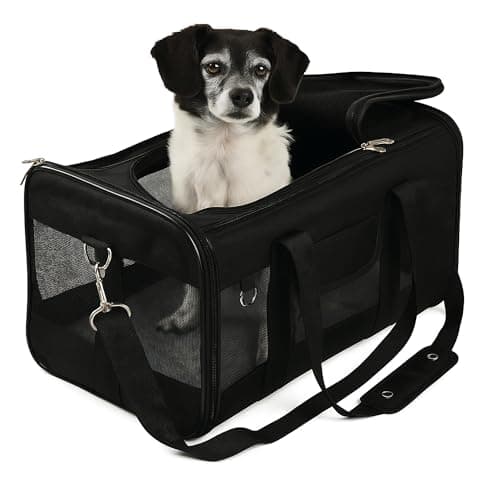
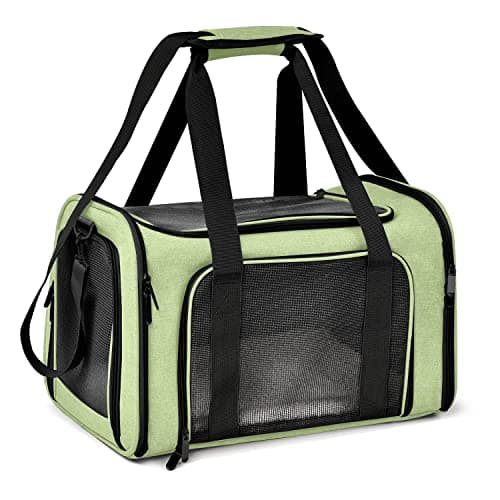
A carrier that clears your airline's under-seat limit is a genuine purchase rather than an accessory, and it is the one cost here where spending less is often fine. The three picks below span the range: a basic soft carrier built to the standard limits, a mid-priced one with better structure, and the model with a rebooking guarantee behind it. Prices pull live, so what you see is what it is today.
Whatever you buy, buy to the strictest airline you will fly rather than the one you are flying next month. Owning two carriers is the most expensive way to save money here.
4. The vet visit and the paperwork
Domestic US flights do not always require a health certificate, but plenty of airlines ask for one and some destination states do. That means a vet appointment inside the window the airline specifies - commonly ten days - which is an office visit wherever you are. Costs vary by clinic and region and we have no verified national figure, so we will not publish one. Call your own clinic and ask specifically for the price of a "health certificate for air travel": it is a distinct service from a routine exam and it is priced differently.
International is a different scale of task. A US-origin trip typically needs a USDA-accredited veterinarian to complete an export health certificate and then APHIS to endorse it, and APHIS charges an endorsement fee that depends on the certificate type. Some destinations add rabies titre testing, which is a laboratory cost with a long lead time attached to it. Our international guide walks the sequence and the timing, and the health certificate guide covers what the document actually is. Budget the calendar first - the money follows the timeline, not the other way round.
5. Cargo, if the cabin is out
A dog too big for the cabin travels as checked baggage or in cargo where the airline still offers it, and that is priced differently: typically higher than the in-cabin fee, often by weight and route, and quoted rather than published. You will also need a compliant hard kennel, which is a bigger purchase than a soft carrier - read the crate requirements before buying one, because a kennel that fails the specification is money spent twice.
We do not publish cargo prices. They are quoted per booking, they vary by season and route, and any number we printed would be wrong for most readers. Call the airline's cargo desk with your dog's weight and crate dimensions and ask for the all-in figure including terminal handling.
6. The costs at the other end
- Hotel pet fees. Common, and often per night rather than per stay. Ask when you book, not at check-in - and see staying in a hotel with a dog for what else to confirm on that call.
- Rental car cleaning. Rental companies allow dogs but charge if the car comes back full of hair; the rental car rules cover how to avoid it.
- Daycare or sitting at the destination. If any part of the trip is somewhere the dog cannot come, price that before concluding that flying beat boarding at home.
The comparison nobody runs
Added up honestly, a two-way domestic flight with a dog is frequently $300-400 before the carrier, the vet or the hotel. That is the number to compare against boarding the dog at home, or against driving - and for a lot of trips inside a day's drive the drive wins on both cost and stress. We put the two side by side in flying versus driving.
None of this is an argument against flying with your dog. It is an argument for pricing the whole trip before you book the first leg, because the expensive surprises here are all avoidable and not one of them is the fee everybody quotes.