Almost every cooling vest sold works the same way: you soak it, wring it out, put it on the dog, and evaporation pulls heat away as the water leaves the fabric. That is a real physical mechanism and it genuinely works — with one enormous caveat that the marketing never mentions.
Evaporation needs dry air. In desert heat, a soaked vest is transformative. In humid heat, the air is already close to saturated, evaporation slows to a crawl, and you have essentially put a wet blanket on a hot dog. If you live somewhere humid, shade, water and timing your walk are worth more than anything on this page.
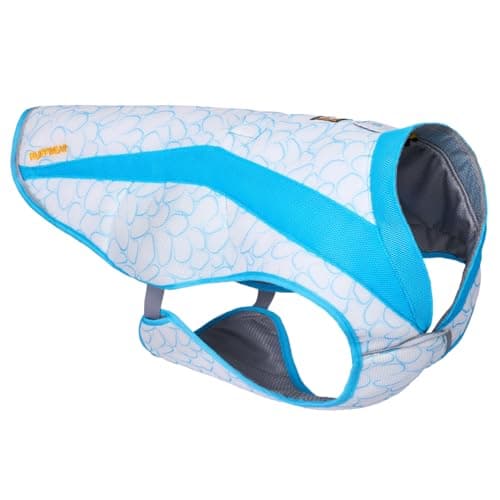
With that stated honestly, the vests differ on coverage, weight and how quickly they can be re-wetted on the trail. The Ruffwearleads on layered construction that cools without soaking the dog's coat through; the Kurgo is the one to buy if the dog gets back in your car afterwards.
Choosing a cooling vest
First, check whether evaporative cooling suits your climate
Dry heat: buy a vest, it will make a real difference. Humid heat: manage the heat instead — walk early or late, stay in shade, carry more water than you think, and use the vest as a minor supplement rather than the plan. This one distinction predicts satisfaction with the whole category better than any product difference.
Coverage versus carried water
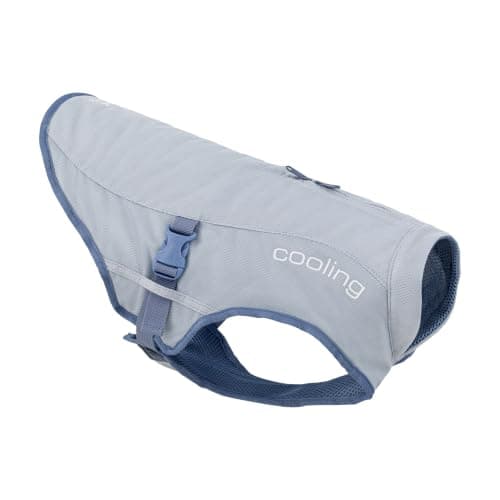
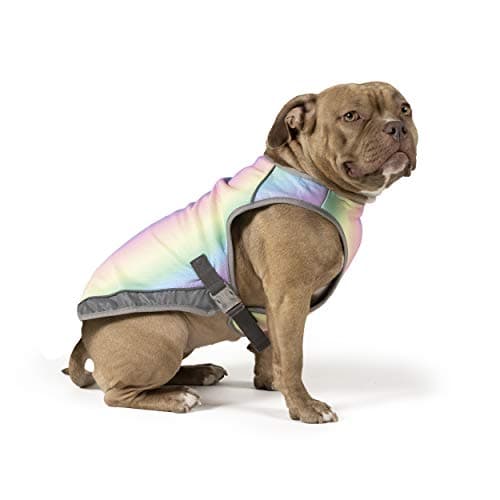
A full-body vest (Canada Pooch) holds more water and cools more surface, and the dog carries all of that weight. A core-focused vest (Kurgo) targets the chest and belly where the large blood vessels are, weighs less, and dries out sooner. For a long hot hike, take the coverage. For a walk and a car journey, take the core vest and keep your back seat dry.
Re-wetting is the real usability test
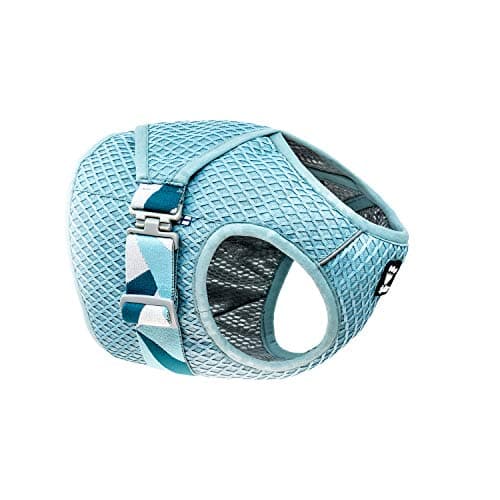
A vest is only cooling while it is damp. On a long day, you will re-wet it several times, so how easily it takes water from a bottle or a stream matters more than the peak cooling number. Wrap designs (Hurtta) come off and go back on fastest, which is worth real points when the dog is already hot and impatient.
Layering with a harness
Most people who buy a cooling vest already use a hiking harness, and the two fight each other. Vests with a harness port (Ruffwear) solve this properly. Vests with an integrated leash point (SGODA) solve it differently, but an integrated point with no stated load rating is not a substitute for a real harness on a puller or in a car.
Know the signs a vest cannot fix
Heavy panting that does not settle, bright red gums, drooling, wobbliness or vomiting are signs of heat illness, and a cooling vest is not the treatment. Get the dog into shade, offer water, apply cool — not ice-cold — water to the belly and paws, and contact a vet. A vest is a preventive measure for a manageable day, not a safety net for a dangerous one.
What we would actually buy
Dry-climate hiking: the Ruffwear. Car travel and short walks: the Kurgo. Maximum coverage without the premium: the Canada Pooch. Fast on and off at rest stops: the Hurtta. A big dog on a budget: the SGODA.