A dog first-aid kit is bought for a bad day and judged on a bad day. The problems it is realistically for are unglamorous and common: a cut pad, a torn nail, a tick, a grass seed, a sting, a scrape that needs cleaning and covering until you reach a vet.
Marketing in this category runs on item counts, and item counts are close to meaningless — a hundred-piece kit is often ninety plasters sized for humans. What actually matters is whether the contents match those real incidents, whether you can find the right thing quickly when you are stressed, and whether anything in the box tells you what to do.
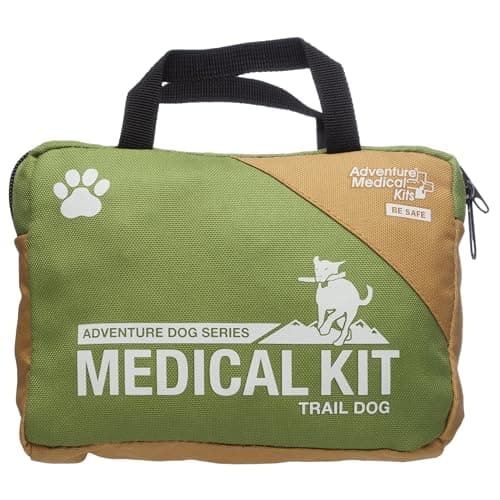
The Adventure Medical Kits kit leads for a reason that has nothing to do with quantity: it includes a proper field guide. A kit you do not know how to use is a bag of gauze.
One clear boundary: none of this is veterinary advice, and first aid is what you do on the way to a vet, not instead of one.
Choosing a dog first-aid kit
Buy for where you actually go
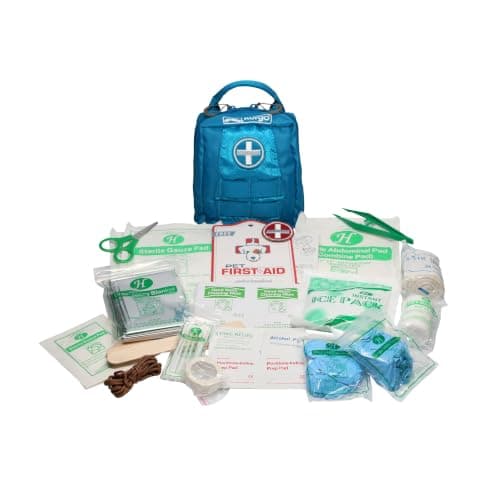
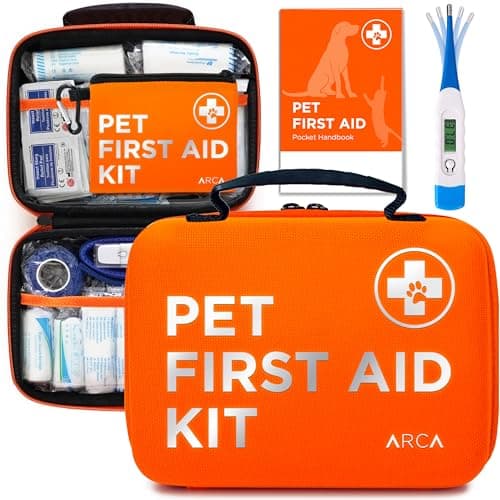
A compact trail kit (Adventure Medical Kits, Kurgo) lives in a day pack and is there when something happens two miles from the car. A large car kit (ARCA PET) has far more in it and is useless in a pack. Most people want both, and the second one is cheap. The worst outcome is one big kit that stays at home because it does not fit anywhere.
The contents that matter for dogs specifically
Self-adhesive bandage wrap that does not stick to fur. A tick removal tool — the single most-used item in most dog kits. Blunt-nosed scissors. Tweezers or forceps for grass seeds and thorns. Sterile saline for flushing eyes and wounds. Non-stick pads and tape. A digital thermometer. A foil blanket. A muzzle or the means to improvise one, because a dog in pain bites people it loves.
What almost no kit includes, and you should add
Your vet's number and the nearest emergency clinic to your destination, written on paper inside the lid. A copy of the dog's vaccination record. Any medication your dog takes. Spare waste bags. And a photo of the dog. Adding these takes ten minutes and roughly doubles the usefulness of any kit on this page.
Organization beats capacity under stress
You will be opening this while holding a bleeding, frightened animal, possibly in the rain. Labeled compartments and a case that opens flat matter more than an extra twenty items. Practice opening it once before you need it.
Guidance is the underrated feature
Knowing how much pressure to apply, when a wound needs a vet rather than a bandage, and how to safely muzzle a dog in pain are the things that change outcomes. A kit with a proper field guide (Adventure Medical Kits) is worth more than a kit with more gauze. If yours has none, a pet first-aid course is a genuinely good afternoon.
Check it twice a year
Sterile items expire, saline goes off, adhesives dry out, and the thing you used last summer was never replaced. Put a reminder in the calendar alongside the smoke-alarm check.
What we would actually buy
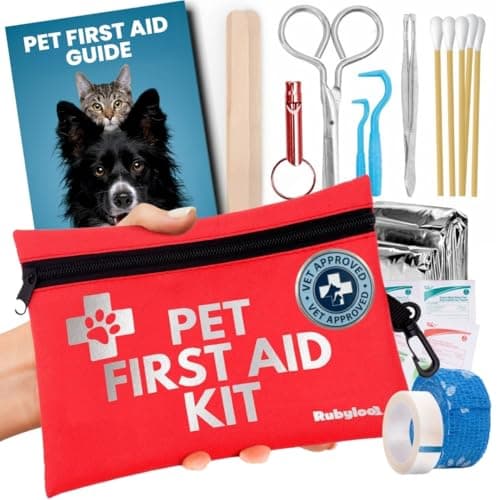
Hiking and backcountry: the Adventure Medical Kitsfor the guide and the pack size. Already using Kurgo's harness system: the Kurgo, which mounts on the dog. Permanent car kit: the ARCA PET. A second kit for the travel bag: the Ruff Ready.