
01
The safest restraint you can buy
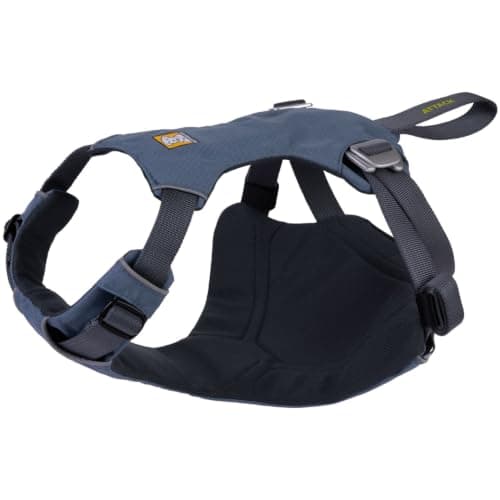
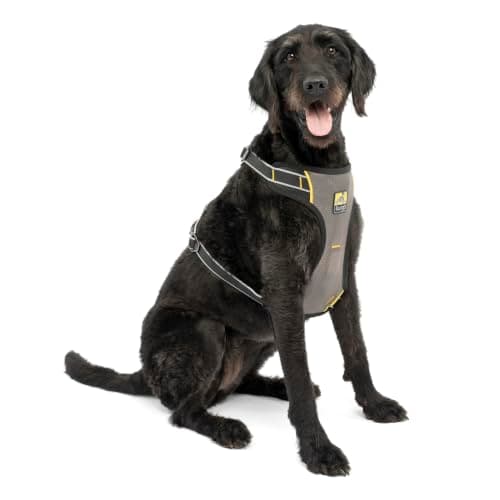
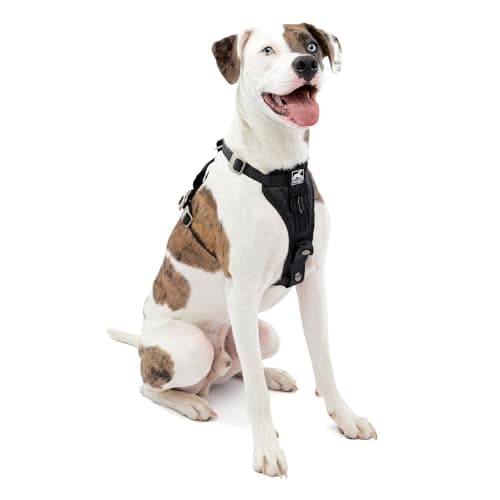
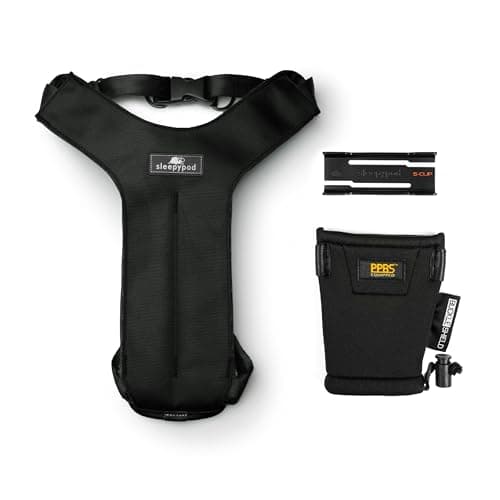
Sleepypod Clickit Sport Plus Safety Harness
Crash-test certifiedThree-point vestBroad chest plateSizes to XL
8.4/10
The gold standard. It's the harness independent crash testing keeps rating at the top, and it isn't close.
- Crash protection
- 10
- Fit & adjust
- 8
- Build quality
- 9
- Everyday comfort
- 8
- Value
- 7
Pros
- Sleepypod publishes Center for Pet Safety crash-test results, and the Clickit line is the reference other harnesses get compared to
- The wide, padded chest plate spreads crash forces across the sternum instead of the throat — the design detail the cheap harnesses miss
- Doubles as a walking harness, so it isn't single-purpose gear sitting in a trunk
Cons
- Expensive — several times the price of a basic seatbelt tether
- Fussier to fit correctly than a clip-on tether; a loose fit undoes the engineering
Don't buy this if…
…you won't fit it properly every time. A three-point harness worn loose loses much of what you paid for — if you want fast and foolproof over maximum protection, a simpler harness you'll actually cinch is the honest trade.
$120.74View on Amazon
Price as of October 21, 2026. Prices change — Amazon's at checkout is the one that counts.
#ad · we may earn a commission from this link to Sleepypod Clickit Sport Plus Safety Harness