Almost nobody builds a dog travel kit on purpose. It accumulates: a bowl bought at a rest stop, a spare leash from a vet visit, a bag of treats that has been in the car since spring. Then the one trip where it matters, half of it is at home. A kit assembled deliberately, kept in one bag and re-stocked after each trip is a genuinely different experience, and it costs less than the scattered version because you stop re-buying the same $8 bowl.
This page is the index to the rest of the site's kit coverage. It is organized around four jobs rather than a shopping list, because the jobs stay the same whether you are out for an afternoon or flying across the country — only the gear that does them changes.
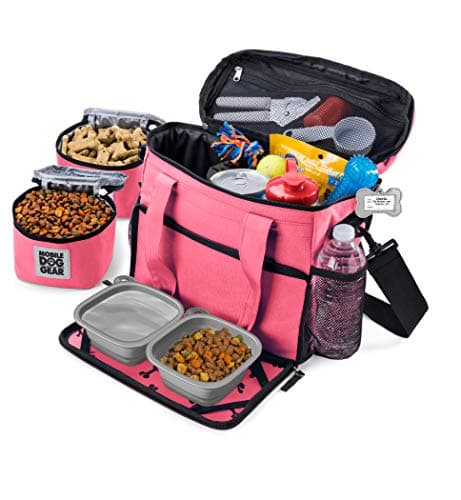
The packing order for the bag itself - what goes in, what stays in the car, and what you want reachable without unzipping everything - is on what to pack in a dog travel bag.
One constraint worth knowing before you build the kit around a bag: on Amtrak the carrier has to come in under 19 x 14 x 10.5 in and 20 lb including the dog, which is tighter than any airline on this site.
The four jobs a kit has to do
Everything below is one of these. If a piece of gear is not doing one of these jobs, it is probably in your bag out of habit.
1. Water — the one people get wrong
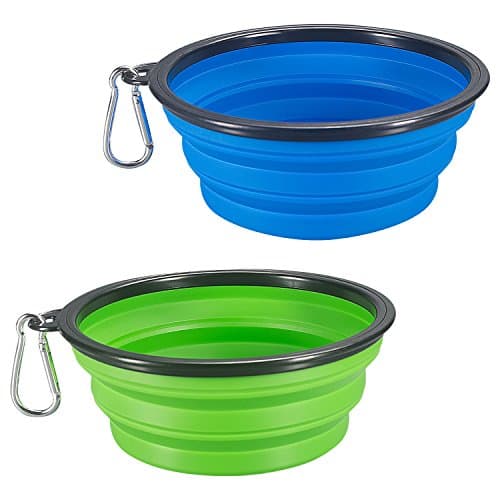
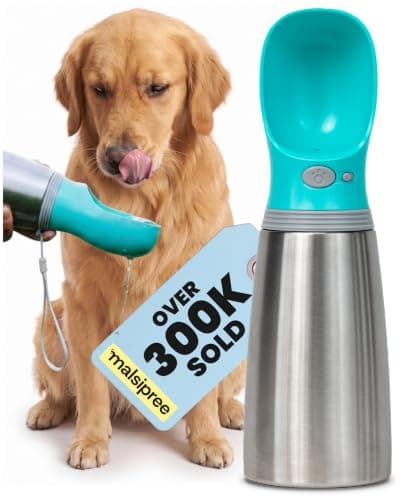
A dog cannot ration water and will not tell you it is short. Water is the job with the most products competing for it, and the honest answer depends on where you are when the dog gets thirsty. On the move and away from a tap, a squeeze bottle with an integrated trough is one-handed and wastes nothing. At a rest stop or a hotel room, a bowl is faster and holds more. In a moving car, neither of those is the right product — you want something that will not throw water across the seat on a corner.
2. Food — mostly a storage problem
Feeding on the road is not complicated, but it is easy to make a mess of. Take the food the dog already eats — a diet switch on a trip is how you end up cleaning a hotel carpet — and carry it in something that seals. A zip bag splits; a proper kibble carrier does not. The Ruffwear carrier is the one we rank first for this, and the wider set of options is on the food container roundup. The timing side of it — when to feed on a driving day, and why not right before you set off — is covered in how to feed a dog on the road.
3. Waste — the job that gets you thrown out of places
Carry more bags than you think you need and something to put a used one in. Pet-friendly hotels and campgrounds stay pet-friendly because most people clean up; the ones that stop being pet-friendly stopped because some did not. A dispenser that clips to the leash means the bags are with you rather than in the car, which is the entire difference between having bags and having bags at the moment you need them. See the bag dispenser roundup, and pack grooming wipes for the mess the bags do not catch — muddy paws before the dog gets back in the car, a car-sick chin, a hotel-bed near-miss.
The other half of this job is where the dog goes when there is no grass — a fourteenth floor at 2am, a closed rest area, a city rental with no yard. That is what a portable dog potty is for, and which type you want depends almost entirely on whether you are moving every night or staying put.
4. Identification — the cheapest insurance you will ever buy
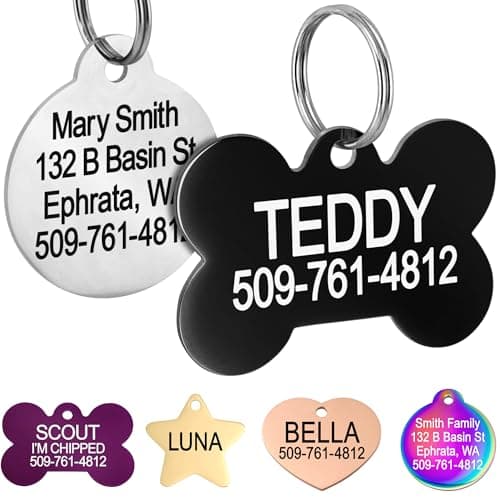
A dog that gets loose away from home has nothing to navigate back to. An engraved tag with a phone number you will actually answer on the road is the single highest-value item in the kit and costs less than lunch. A microchip registration that is current is the backstop. A GPS tracker is the layer above that, and it is the one that tells you where the dog is rather than waiting for a stranger to find it. The full argument is on microchip vs GPS tracker, and the worst-case plan is on what to do if your dog gets lost while traveling.
The kit by trip type
The four jobs are constant. What changes is how much of each you need and what the trip adds on top.
A day out — walk, park, beach
Water, bags, tag. That is the whole kit, and it fits in a jacket pocket. A squeeze bottle covers the water job without a second container; a clip-on dispenser covers the waste job. Everything else is optional. This is the kit that should live permanently in the car so that a spontaneous afternoon does not need packing.
A road trip — the kit most people are actually building
Now you add restraint, because a loose dog in a car is the one item on this page that is a safety issue rather than a convenience one, and it is not optional. You add a bowl for stops, a bed or a familiar blanket for the destination, and food in something that seals. The minute-by-minute version of this — how often to stop, what to do about car sickness, what goes where — is the road-trip checklist, and the restraint decision itself is on the car setup guide, which splits by dog size.
A flight — the kit that has to fit in the carrier
Flying inverts the problem. You are not packing a bag; you are packing a box that has to slide under an airline seat with a dog already in it. Everything has to be flat, quiet and dry, and the airline's size limit decides what fits. That is its own list: what to pack in a dog carrier.
Camping and the trail — the kit gets heavier
Away from the car, weight and water capacity start to matter in a way they never do on a road trip, and a first-aid kit stops being theoretical. The camping version of the list is in the dog camping gear guide; the walking version is the hiking checklist.
Two rules that save money
Buy the cheap thing twice before you buy the expensive thing once
For most of this kit, the commodity option is genuinely fine. A two-pack of food-grade silicone bowls costs less than a single premium bowl and covers food and water at the same time. Spend up only where there is a specific reason — a welded waterproof bowl because you are carrying a measured ration of water in a pack, a floating-plate bowl because your dog slobbers, a certified harness because it is the only category on this page where the failure mode is a crash.
Keep it packed, and re-stock on the way home
The failure mode of every travel kit is unpacking it. Bags migrate to the kitchen, the bowl ends up in the dishwasher and stays there. A dedicated bag that never gets emptied — restocked while you are still thinking about the trip, not the night before the next one — is the difference between owning a kit and owning the parts of one.